Featured
Utilizing Property Worth to Clear Financial Obligation in...
Optimizing Your Residential Or Commercial Property Worth ...
_0.png)
Leading Consolidation Rates Offered for Your Area Homeowners
Table of Contents
Navigating Credit Difficulties in the local community
Financial shifts in 2026 have altered how homes manage their month-to-month obligations. With interest rates holding at levels that challenge even disciplined savers, the conventional approaches of surviving are showing less effective. Many residents in your current region are looking at their financial statements and seeing a larger part of their payments going toward interest rather than the primary balance. This shift has caused a restored interest in structured financial obligation management programs offered by nonprofit companies.
The main difficulty in 2026 stays the expense of unsecured credit. Credit card companies have changed their threat models, frequently leading to higher annual percentage rates for consumers who bring balances from month to month. For those residing in your local area, these expenses can rapidly surpass wage growth, developing a cycle where the overall balance stays stagnant in spite of regular payments. Professionals concentrating on Debt Consolidation suggest that intervention is most reliable when started before missed out on payments begin to harm credit report.
Comparing Combination Loans and Management Programs in 2026
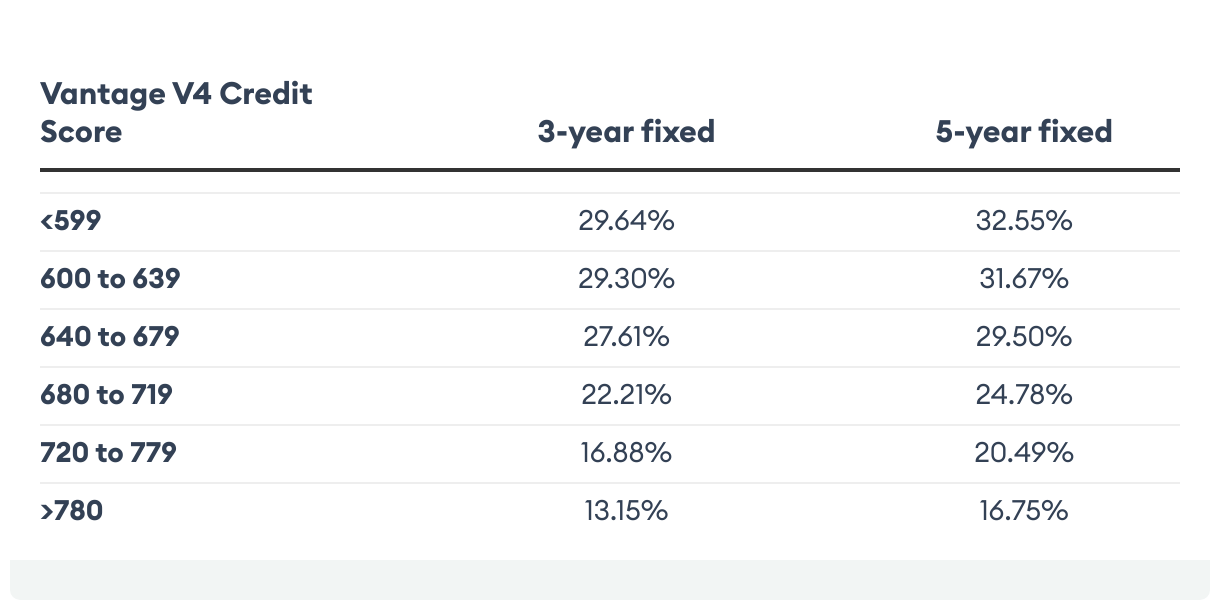
Monetary techniques in 2026 often involve choosing in between 2 unique paths: debt combination loans and financial obligation management plans. A consolidation loan involves taking out a new, large loan to settle numerous smaller sized financial obligations. This method depends greatly on a person's credit rating and the schedule of beneficial terms from personal lending institutions. In the existing market, nevertheless, protecting a low-interest individual loan has actually become progressively difficult for those who are currently bring substantial financial obligation loads.
Monthly Payment Reduction Services supplies a structured alternative to high-interest loans by working within the existing lender relationships. Unlike a loan, a debt management strategy does not include borrowing more cash. Rather, it is a negotiated agreement assisted in by a nonprofit credit therapy agency. These companies deal with financial institutions to lower interest rates and waive particular fees, enabling the consumer to pay off the complete principal over a set duration, usually three to 5 years. For many in the surrounding area, this method uses a clear timeline for reaching absolutely no balance without the requirement for a brand-new credit line.
The difference is significant for long-lasting financial health. While a loan simply moves debt from one location to another, a management plan concentrates on methodical payment and behavioral modification. Counseling sessions associated with these programs often consist of budget reviews that help participants identify where their cash goes every month. This instructional element is a trademark of the 501(c)(3) nonprofit design, which prioritizes customer stability over revenue margins.
The Mechanics of Rate Of Interest Negotiation in your local area
Among the most efficient tools available to customers in 2026 is the ability of credit therapy companies to negotiate straight with significant banks and card issuers. These negotiations are not about going for less than what is owed-- a procedure that often damages credit-- however about making the repayment terms workable. By lowering a 24 percent rate of interest to 8 or 10 percent, a program can shave years off the repayment duration and conserve the customer countless dollars.
People frequently try to find Debt Consolidation in Thornton when managing numerous financial institution accounts ends up being a logistical concern. A management plan simplifies this by consolidating several monthly expenses into a single payment. The nonprofit agency then disperses that payment to the different creditors according to the worked out terms. This structure minimizes the possibility of late costs and ensures that every account stays in excellent standing. In the local market, this simplification is often the first action toward regaining control over a family budget plan.
Creditors are typically ready to take part in these programs because they prefer receiving routine, full payments over the threat of an account entering into default or insolvency. By 2026, many monetary institutions have structured their cooperation with Department of Justice-approved companies to help with these strategies more effectively. This cooperation benefits the consumer through decreased stress and a predictable course forward.
Strategic Debt Payment in across the country
Real estate and credit are deeply connected in 2026. Lots of households in various regions discover that their ability to certify for a mortgage or preserve their present home depends on their debt-to-income ratio. High charge card balances can inflate this ratio, making it tough to access favorable real estate terms. Not-for-profit firms that offer HUD-approved housing therapy frequently integrate debt management as part of a larger technique to support a family's living circumstance.
The effect on credit rating is another element to consider. While a financial obligation management strategy needs closing the accounts consisted of in the program, the constant on-time payments generally help restore a credit profile in time. Unlike debt settlement, which involves stopping payments and letting accounts go to collections, a management strategy reveals a commitment to honoring the initial debt. In the eyes of future loan providers, this difference is crucial.
- Reduced interest rates on credit card accounts.
- Waived late costs and over-limit charges.
- Single regular monthly payment for several unsecured debts.
- Professional assistance from licensed credit counselors.
- Education on budgeting and monetary literacy.
As 2026 advances, the function of financial literacy has moved from a luxury to a requirement. Understanding the difference in between protected and unsecured debt, the effect of intensifying interest, and the legal protections offered to consumers is important. Not-for-profit agencies function as a resource for this info, using services that surpass simple financial obligation payment. They offer the tools needed to prevent future cycles of financial obligation by mentor individuals how to build emergency funds and handle money circulation without relying on high-interest credit.
Long-Term Stability Through Structured Preparation
The choice to enter a debt management program is often a turning point for families in the local area. It marks a shift from reactive costs to proactive preparation. While the program requires discipline-- specifically the commitment to stop utilizing charge card while the strategy is active-- the outcome is a debt-free status that offers a structure for future saving and financial investment.
Financial advisors in 2026 stress that there is no one-size-fits-all solution, but for those with significant unsecured financial obligation and a stable income, the structured technique of a not-for-profit strategy is often the most sustainable option. It prevents the high fees of for-profit settlement business and the long-lasting credit damage of personal bankruptcy. Rather, it provides a middle course that stabilizes the needs of the customer with the requirements of the lender.
Success in these programs depends on transparency and constant communication with the counselor. By evaluating the budget quarterly and making modifications as living expenses change in your region, individuals can remain on track even when unanticipated costs occur. The objective is not just to settle what is owed, however to exit the program with a different viewpoint on how to use credit in such a way that supports, rather than impedes, monetary progress.
Ultimately, the role of debt management in a 2026 financial technique is to supply a clear exit from high-interest commitments. By concentrating on principal reduction and interest negotiation, these strategies enable residents in the surrounding community to recover their earnings and focus on their long-term goals. Whether the objective is buying a home, saving for retirement, or simply lowering daily tension, a structured repayment strategy supplies the structure needed to accomplish those ends.

Table of Contents
Latest Posts
Utilizing Property Worth to Clear Financial Obligation in Your Region
Optimizing Your Residential Or Commercial Property Worth for Debt Elimination in 2026

How to Construct Wealth Starting With a Better Rating
More
Latest Posts
Utilizing Property Worth to Clear Financial Obligation in Your Region
Optimizing Your Residential Or Commercial Property Worth for Debt Elimination in 2026
How to Construct Wealth Starting With a Better Rating